
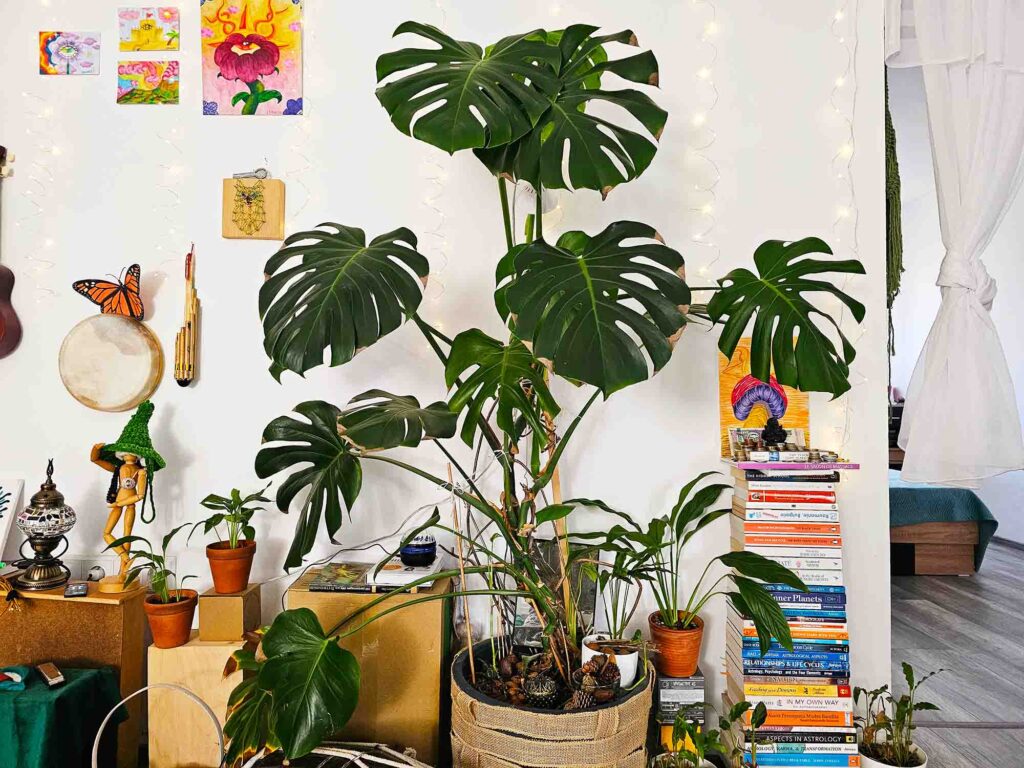
Is a love for plants something we inherit, or is it a sensitivity we develop when we learn to love simplicity? Perhaps it’s a bit of both: a seed someone plants in us that grows with the patience of careful observation.
The riddle
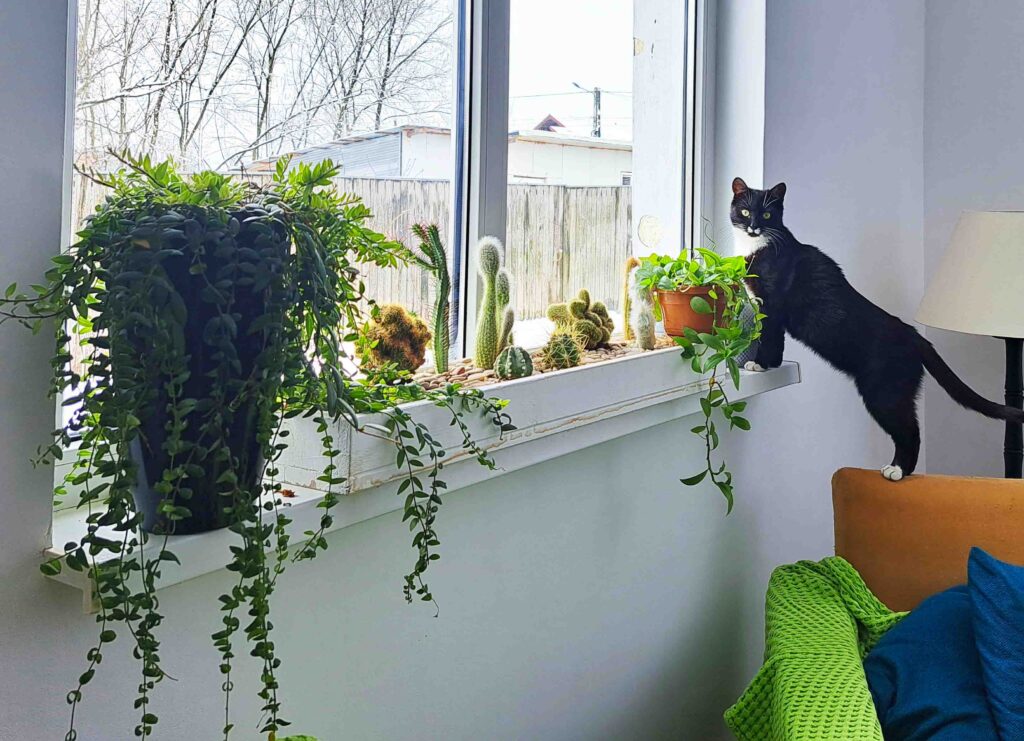
The plant world is vast and mysterious. Caring for them requires patience and, above all, a great deal of curiosity. Some like direct sunlight; others prefer shade. Each new species is a puzzle: discovering what it needs to thrive and grow beautiful and lush.
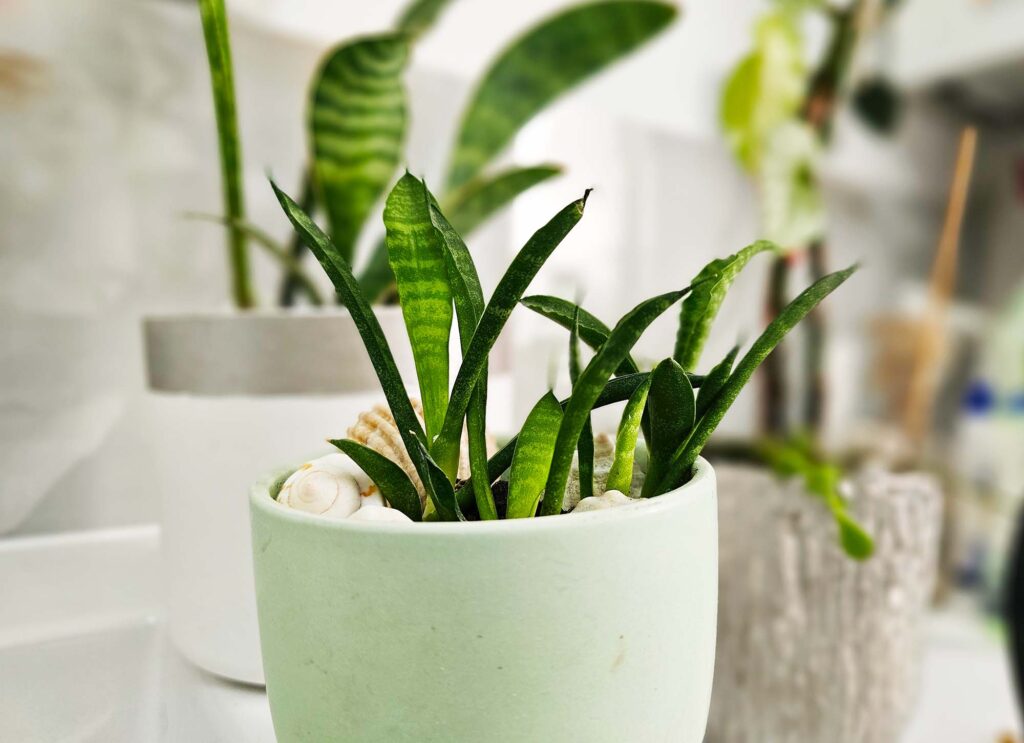
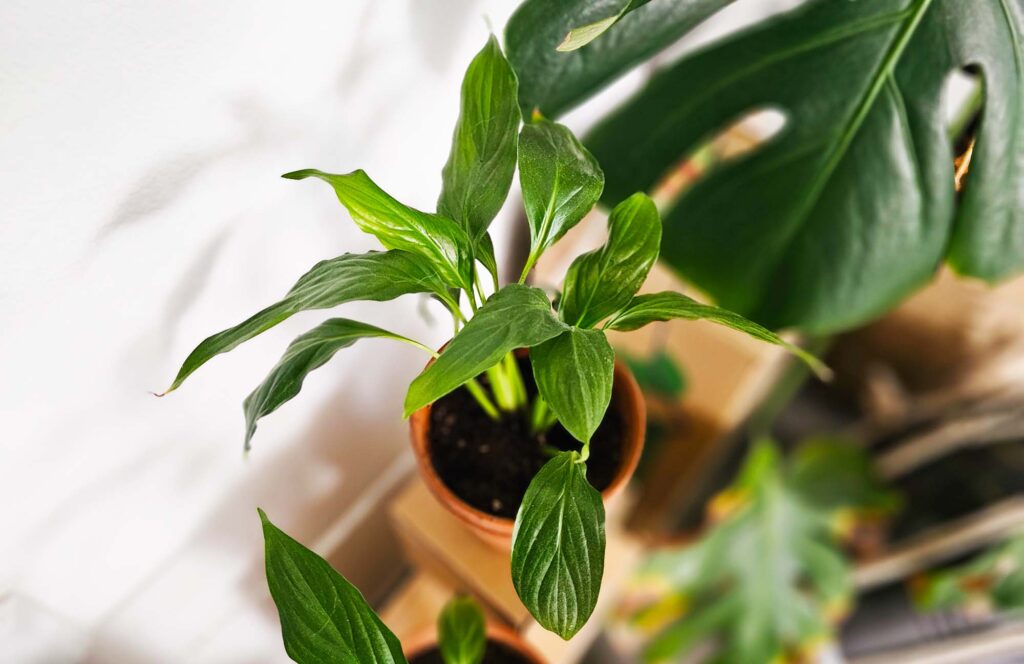
Each one has its own personality. For example, the Peace Lily (Spathiphyllum) is quite dramatic: when it starts to lack water, it literally wilts. I really like that, because the plant lets you know exactly when it’s thirsty, and it’s impossible to ignore. Other plants are quite resilient and endure neglect with admirable dignity, like cacti and snake plants.
Keeping plants alive is quite an adventure, and for those of us with boundless curiosity, plants are a great source of entertainment and a field of exploration that never runs dry.
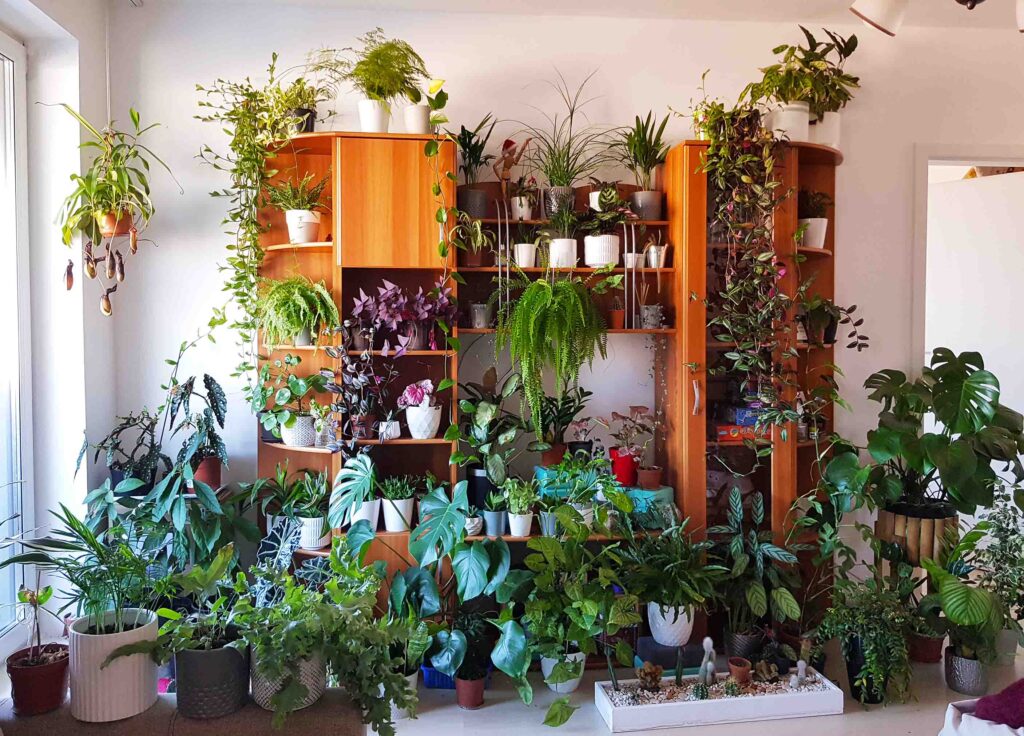
More than daughters, allies.
Among those of us who have entered this world, some call their plants “daughters.” I understand the sentiment, but I prefer to call them: Friends or silent companions. They are presences that make the environment special, not only because of their beauty, but also because they purify the air and provide oxygen.
From a mystical perspective, plants are considered protective shields. They act as energetic magnets. It is said that if a “bad vibe” (whether a bad intention or an unchanneled emotion) is present, the plant tries to transmute that charge. If a healthy plant suddenly dies without apparent physical cause (without overwatering or lack of light), perhaps what we are seeing is its final act of service: it withered away so that you wouldn’t wither away.
What they teach you
Caring for our plants is, ultimately, an active meditation. When watering, pruning, or simply observing a new leaf, we step outside the noise of our minds to inhabit the present. And it is there, in that silence shared with them, that answers we weren’t seeking sometimes arise.
And beyond that stillness, there is another, deeper lesson that only loss can reveal: detachment. Because, however much we strive to control all the variables (light, watering, fertilizer, etc.), at some point the plant gets sick or dies. Anyone who has lost a special plant will know what I mean. It’s not a major loss, but it hurts. It hurts because there was a story: perhaps you bought it at a pivotal moment, or someone gave it to you. You cared for it, protected it from pests, and one day, without warning, it was gone.
Detachment, then, is not about ceasing to love what you cultivate, but about letting go of the illusion that love is enough to overcome fragility. Because if you learn to let go of a plant you’ve carefully nurtured, perhaps it will be a little easier to let go of other things that also come to an end. Or at least, you learn not to cling out of fear, but to care with generosity, knowing that all living things are on loan.
Care tips
Having experimented with over a hundred species, my general advice is as follows:
- Less water is more love. Plants are incredibly resilient and adapt better to gentle neglect than overwatering. When we overdo it with water, the roots rot and the plant becomes sick. Watering is an act of observation, not routine. If the soil is still wet, leave it alone.
- Light, the best diagnostic tool. Before asking yourself if it needs more or less water, ask yourself if it’s getting the light it needs. Light is the food of plants; water is just the vehicle. Without adequate light, no amount of extra care will save it.
- More plants, more patience, more oxygen. When we have few plants and are eager to see them grow, we tend to over-care for them. On the other hand, if there are more, our attention is divided, each one has its own pace, and we learn to wait without interfering.
- Accept that some plants aren’t for you (and that’s okay). There are species that, no matter how much you love them, simply won’t adapt to your environment or your lifestyle. Part of gardening wisdom is learning to say, “This plant and I aren’t compatible,” without blaming yourself.
Final reflection
Far beyond being decorative elements, plants are points of connection with nature and the organic in a world that feels increasingly artificial. In the end, I don’t know if the love for plants is inherited or learned. Perhaps it’s one of those questions that doesn’t need an answer. What I do know is that, among leaves and pots, one finds a different way of being in the world: slower, more attentive, with companions that grow silently and teach us, without haste, to do the same.
What’s your ‘golden rule’ for keeping your plants happy? Let’s share plant wisdom in the comments.